Travel · 4 min
First wonder, then swim
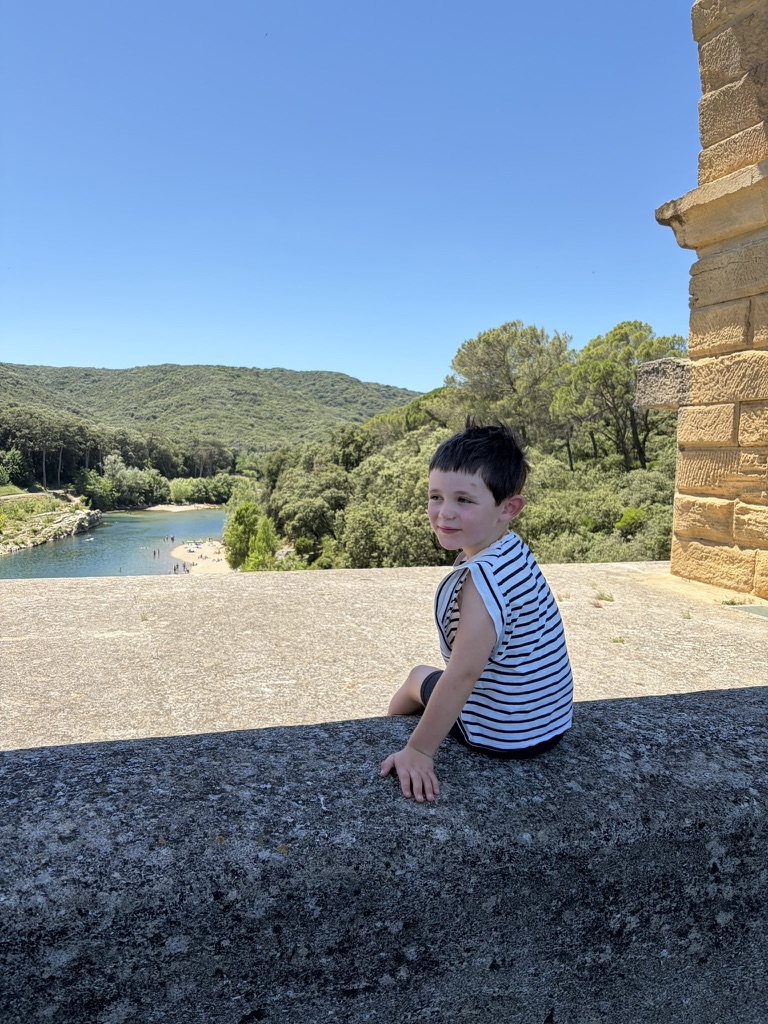
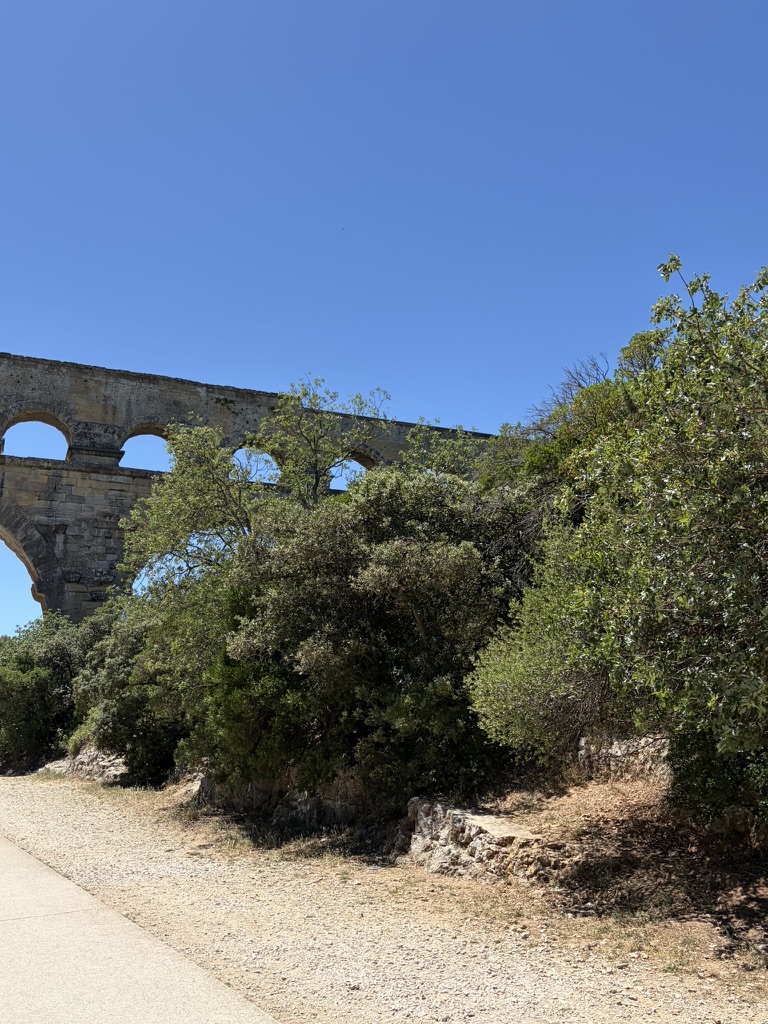
A child measures size differently than we do. It does not count in metres, it tips its head back and makes big eyes. That is exactly what happened at the Pont du Gard. First the wonder at the arches, high as houses, then the way down to the river, and at the end a jump into the cool water. A day you cannot plan, only allow.
Size you may grasp
Some old stones stay abstract, this one comes alive for children. You may go up, walk across the bridge, see the arches from above, the valley below you. So a number in a book becomes a feeling in the legs. I think that is the best way to learn history, with the whole body.
The river rounds off the day
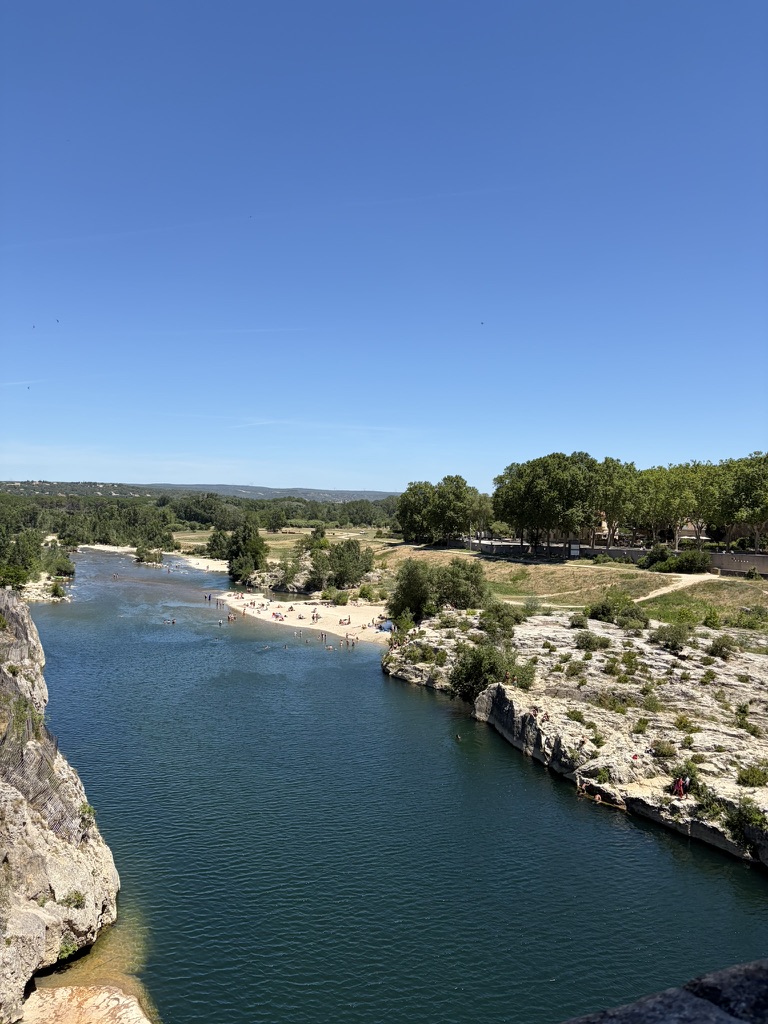
Without water it would be a museum visit, with water it becomes a feast. After the wonder you go down to the gravel beach, and the Gardon in summer is the loveliest reward. A little culture, much splashing, an ice cream in between. So children remember a place through joy, not through facts.
Old and new in one image
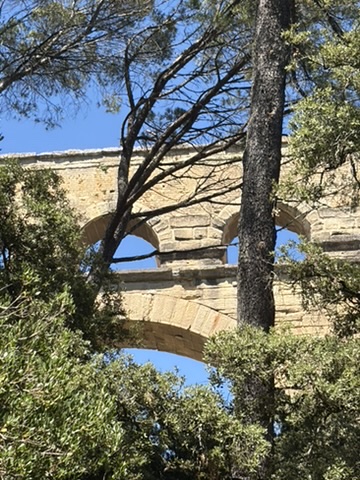
The contrast moves me. Above us a building from the first century, below us a child throwing stones into the water. Two thousand years lie between, and yet it is the same river, the same warm stone. Such moments ground me. They remind me that we are only guests, in a very long, very beautiful story.
Frequently asked
Is the Pont du Gard suitable for children?
Very. You can walk across the bridge, the scale feels like a castle, and the beach on the Gardon invites swimming. Culture and splashing in one place.
What should you bring for the day?
Swimwear, water shoes for the pebbles, sun protection and plenty of water. And time, so that after the wonder there is enough left for swimming.
How do you combine culture and swimming?
First the bridge and the museum above, then down to the beach. So the visit stays varied for children and leaves a lovely memory.